Patient Resources
Tips and news to support your hearing health.

"What is the best hearing aid?" It's one of the most reasonable questions you can ask me, and one of the few where I get slightly suspicious of anyone who gives you an immediate answer, because the obvious follow-up is: best for whom?
Are the most expensive hearing aids automatically the best?
No. Premium technology can offer sophisticated features, particularly for complicated listening environments, but technology has to solve your problems to be worth having. Paying for capabilities that make little real difference to your life isn't my idea of good hearing care.
Choosing purely on price carries its own risk, because it can mean compromising on things that matter a great deal to you. The aim is the right investment in your hearing, and that isn't always the most expensive hearing aid.
What should decide which hearing aid I choose?
I look at your hearing, your speech understanding, your lifestyle, the technology you want, your dexterity and eyesight, and your personal preferences. Do you spend most of your time in quiet surroundings, or are you often in restaurants, meetings, theatres, conferences and big family gatherings? Do you want direct streaming, rechargeable batteries, smartphone control, hands-free calls, remote microphones or a television connection?
A tiny hearing aid isn't automatically better if it becomes frustrating to handle and look after. Some people want technology that's close to invisible, while others couldn't care less who sees their hearing aids as long as they perform brilliantly, and both are perfectly reasonable.
What are the best hearing aids for restaurants?
This is where hearing-aid technology has become particularly interesting. Modern hearing aids can use directional microphones, noise management and increasingly sophisticated processing to help pick out speech in difficult places.
No hearing aid can make every competing voice in a busy restaurant disappear while keeping the one conversation you want perfectly intact, though. The fitting matters, your expectations matter and where you sit matters, and in especially demanding places, extra technology such as a remote microphone can sometimes help further. We explain why restaurants are so hard in I can hear people talking, so why can't I understand them?
Are AI hearing aids better?
Artificial intelligence and machine learning are increasingly built into modern hearing technology, where they can help a device analyse its surroundings and adjust how it processes sound. That's exciting, but I would never choose a hearing aid just because someone has printed "AI" on the marketing material. What matters is whether the technology brings a real benefit to this particular person, and technology should have to earn its place.
Does the audiologist matter as much as the hearing aid?
Very much so. A hearing aid isn't a consumer gadget you take out of the box and hope for the best with. Assessment, selection, fitting, verification, fine-tuning, counselling and aftercare all shape the result, and two people with the same model can have very different outcomes depending on their hearing, expectations, fitting and support. The device is one part of the solution and professional care is the other.
Why choose an independent hearing clinic?
This is one of the reasons I value our independence at Beckenham Hearing. We aren't tied to a single manufacturer, and we work with six of the leading hearing-aid manufacturers: Oticon, Phonak, ReSound, Signia, Starkey and Widex. That means we can match the technology to the patient, instead of matching every patient to the same technology.
I've spent more than 30 years around hearing technology, including working with major manufacturers and helping audiologists solve difficult fitting problems, and that experience has taught me that impressive technology is only impressive when it improves somebody's life.
Should I buy hearing aids online?
Be careful about comparing hearing aids the way you'd compare televisions. With a television, the product in the box is most of what you're paying for. Prescription hearing care is different, because alongside the technology you're relying on assessment, programming, verification, adjustments and ongoing support. When you compare prices, make sure you know what each price includes.
Do I need one hearing aid or two?
That depends on your hearing. Where there's hearing loss in both ears that hearing aids can help, two properly fitted hearing aids can make speech easier to follow in background noise, help you tell where sounds are coming from and improve overall sound quality. NICE guidance recommends offering two hearing aids to adults with aidable hearing loss in both ears. Even so, the recommendation should follow your assessment.
How long does it take to get used to hearing aids?
Your brain may need time to get used to sounds that have gradually faded from your everyday life, which is why good aftercare matters. Your first fitting shouldn't be the last time you see your hearing professional, because adjustments, questions and real-world experience are all part of getting it right.
How should I choose a hearing aid?
Instead of asking "which hearing aid is best?", ask "which hearing solution suits me best, and why?" It's a much better question, and a good hearing professional should be able to answer it clearly after a proper hearing assessment.
FAQ
What is the best hearing aid brand?
Several excellent manufacturers make sophisticated hearing technology, and we work with six of the leading ones: Oticon, Phonak, ReSound, Signia, Starkey and Widex. The right choice depends on you rather than the logo on the device.
Are expensive hearing aids worth the money?
They can be, for people who will benefit from their extra capabilities. The value depends on your needs, the places you listen and the quality of professional care that comes with them.
What are the best hearing aids for background noise?
Features such as directional microphones and noise-management systems can help in challenging listening environments. The technology should be chosen and programmed around your hearing and lifestyle.
Are AI hearing aids worth it?
AI-based processing can bring useful benefits, but the label alone shouldn't decide your purchase. What matters is whether the technology improves the situations that matter to you.
Does professional fitting make a difference?
Yes. Correct selection, fitting, fine-tuning and ongoing support are central to successful hearing care.
Can hearing aids restore normal hearing?
Hearing aids improve access to sound and speech, but they don't recreate natural hearing. Setting realistic expectations is an important part of good hearing care.
The Beckenham Hearing approach
My job is to understand your hearing, your lifestyle and what you want to improve, and then to use our independence, experience and access to modern technology to find a solution that fits you, regardless of which hearing aid happens to be fashionable this year. There will always be another "latest and greatest" hearing aid, and good hearing care should last a lot longer than the marketing campaign.
Book a hearing assessment
If anything in this article sounds familiar, you can book a comprehensive hearing assessment directly with Beckenham Hearing. You don't need a GP referral. Book an appointment
This article is general information and does not replace an individual medical or audiological assessment.
Sources
1. National Institute for Health and Care Excellence (NICE), Hearing loss in adults: assessment and management (NG98), 2018: offer two hearing aids to adults with aidable hearing loss in both ears.
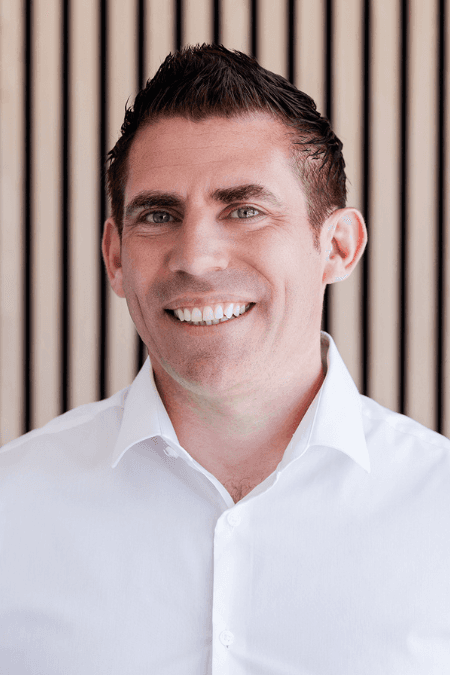
Neil grew up in Crystal Palace, exploring its hidden tunnels and treasures long before the area became trendy. Originally trained in micro-electronics engineering, he began his career designing stereo equipment and mixing decks before transitioning into hearing aid technology — a move that sparked a lifelong passion. Over the past 30 years, Neil has worked with leading global hearing aid manufacturers, supporting audiologists with complex fittings and technical challenges. Neil is a council member of the Association of Independent Hearing Healthcare Professionals (AIHHP), helping to shape how audiology is delivered across the UK, and applying their best-practice standards at Beckenham Hearing.