Patient Resources
Tips and news to support your hearing health.

You may associate hearing loss challenges with ageing and consider them ‘normal’, but the truth is, noise-induced hearing loss is one of the most common (but preventable) threats to your long-term hearing health.
Everyday situations, from concerts and sporting events to using power tools or working in busy offices, can expose you to sound levels that far exceed what your ears can safely handle.
When you understand how noise exposure affects your ears, you can make informed choices that protect your hearing for years to come.
How Loud Is Too Loud? Understanding Safe Decibel Levels
You benefit from knowing exactly what sound levels are safe and which ones put your hearing at risk.
Up to 70 dB (normal conversation): Safe for long-term exposure.
85 dB (busy traffic, loud restaurant): Safe for about eight hours.
100 dB (nightclubs, live concerts): Safe for only 15 minutes.
110–120 dB (sporting events, sirens, power tools): Damage can occur in under two minutes.
If you’ve ever left a concert or noisy event with muffled hearing or ringing in your ears, you’ve experienced a ‘temporary threshold shift’, which is your body’s warning sign that your ears have been pushed too far. Even if your hearing seems to recover, the damage is real and cumulative.
Long-term hearing damage builds up over time, and once it occurs, it’s irreversible. However, you can rest assured that with the right knowledge and precautions, noise-induced hearing loss is entirely preventable.
The Long-Term Consequences of Noise Exposure
Protecting your hearing today means you benefit from clearer communication, more enjoyable social experiences, and greater confidence in every environment.
Recent research confirms that long-term exposure to loud noise increases the cognitive load required for listening and may accelerate cognitive decline. You deserve to enjoy vibrant hearing for life, and that means taking noise risks seriously.
Here are some possible consequences if you don’t take action:
Permanent Sensorineural Hearing Loss: Damage to the inner ear that cannot be reversed.
Tinnitus: Persistent ringing or buzzing that can become constant and disruptive.
Difficulty Hearing Speech in Noise: Struggling to follow conversations in busy places.
Early Auditory Ageing: Noise exposure can make your ears function as though they’re older than your actual age.
Reduced quality of life: Social withdrawal, strained relationships, and listening fatigue.
You might be surprised at how often you’re exposed to potentially harmful noise levels; even a dinner at home can get loud with plenty of guests chatting and music playing.
A simple rule of thumb: If you have to raise your voice to speak to someone just one metre away, you’re already in a potentially unsafe noise environment. Recognising these risks empowers you to make safer choices every day.
Protecting Your Long-Term Hearing: What Actually Works
You have the power to prevent long-term hearing damage with practical strategies.
Limit your exposure time in loud environments whenever possible
Follow the 60/60 rule for headphones: Listen at no more than 60 percent volume for a maximum of 60 minutes at a time.
Download a free decibel meter app and keep an eye on safe decibel levels when you’re out and about.
Move away from speakers or noise sources to reduce the intensity reaching your ears.
Use hearing protection: Custom earplugs provide far better protection and comfort than standard foam plugs, ensuring you enjoy events and activities without sacrificing your hearing health.
You can rest assured that investing in custom hearing protection pays off: You’ll enjoy a tailored fit, greater comfort, and reliable defence against noise-induced hearing loss.
Whether you’re a musician, concertgoer, worker, motorcyclist, or dinner party host, specialist solutions are available to match your lifestyle and needs.
When to Get Your Hearing Tested (Signs You Shouldn’t Ignore)
Your hearing deserves regular attention. Consider a professional hearing assessment if you notice:
Ringing or buzzing after exposure to loud noise
Needing the TV or music volume higher than before
Difficulty following conversations in noisy places
Feeling your ears are “slow to recover” after loud events
Regular exposure to high-noise environments at work or during hobbies
Comprehensive assessments, clear explanations, and independent recommendations help you make the best choices for your hearing health.
To get started on your hearing health journey, get in touch with our professional team at Beckenham Hearing Limited. Ongoing support and monitoring ensure you stay on top of your hearing wellness for the long term.
Contact us today and see how expert-led hearing care can help you safeguard your hearing health, no matter where your busy life takes you!
Frequently Asked Questions (FAQ)
Q: How quickly can loud noise cause permanent hearing loss?
A: You can experience permanent hearing damage in as little as two minutes when you’re exposed to very high volumes (110–120 dB), such as at sporting events or near sirens. Lower levels, like 100 dB at concerts, can cause damage in just 15 minutes. Protecting your ears in these situations is crucial for long-term hearing health.
Q: What are the signs that I’ve been exposed to unsafe noise levels?
A: If you notice muffled hearing, ringing, or buzzing in your ears (tinnitus) after leaving a loud environment, these are signs of a temporary threshold shift: an early warning that your ears have been overexposed. Repeated episodes increase your risk of long-term hearing damage.
Q: Are custom earplugs really better than foam plugs?
A: Yes. You benefit from custom earplugs because they’re designed to fit your ear perfectly, providing superior comfort and a consistent seal. This results in more effective noise reduction, making them ideal for concerts, work, and other high-noise activities.
Source
Health and Safety Executive: Find out more about preventing noise-induced hearing loss, especially in busy workplaces.
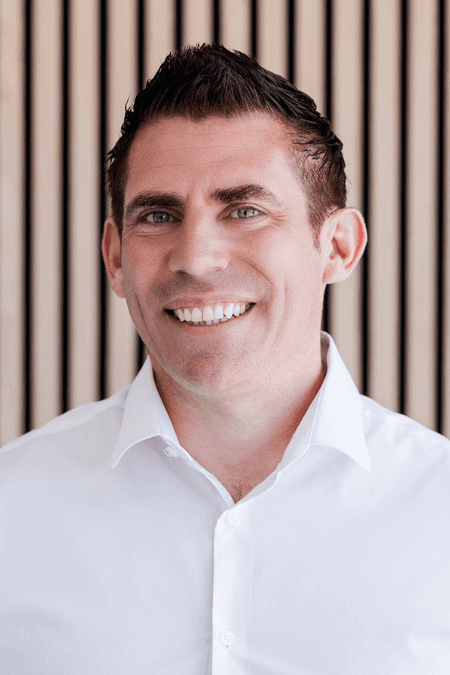
Neil grew up in Crystal Palace, exploring its hidden tunnels and treasures long before the area became trendy. Originally trained in micro-electronics engineering, he began his career designing stereo equipment and mixing decks before transitioning into hearing aid technology — a move that sparked a lifelong passion. Over the past 30 years, Neil has worked with leading global hearing aid manufacturers, supporting audiologists with complex fittings and technical challenges. Neil is a council member of the Association of Independent Hearing Healthcare Professionals (AIHHP), helping to shape how audiology is delivered across the UK, and applying their best-practice standards at Beckenham Hearing.